Builders' waste removal after renovations on Moreton St
Posted on 18/06/2026
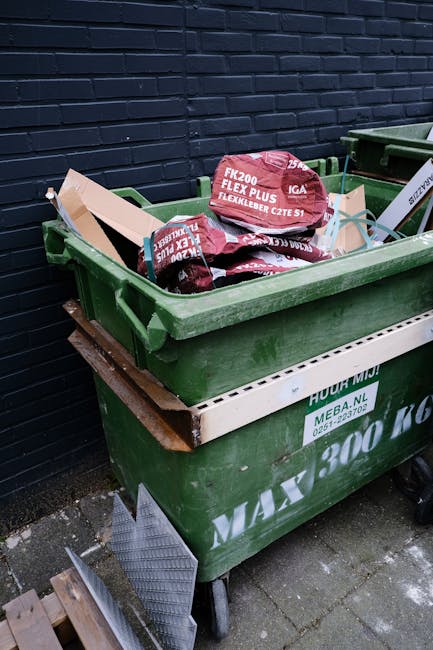
Renovating a property can be exciting right up until the dust settles and you are left with broken plasterboard, splintered timber, old tiles, packaging, and a pile of awkward rubble in the hallway. If you are dealing with Builders' waste removal after renovations on Moreton St, the challenge is usually not just getting rid of the mess. It is doing it safely, quickly, and without turning a finished project into another headache. That is especially true on a London street where access can be tight, neighbours are close by, and every trip in and out needs a bit of planning.
This guide walks through what builders' waste clearance involves, how the process usually works, what to expect, and how to avoid the small mistakes that cause most delays. It is practical, local-minded, and written for people who want the job done properly. No fluff. Just the stuff that actually helps.
Why Builders' waste removal after renovations on Moreton St Matters
After a renovation, builders' waste is rarely neat or light. It tends to be a mixed pile: plasterboard offcuts, rubble, broken fittings, bags of dust, old kitchen carcasses, timber, insulation, metal scraps, and the odd surprise item that was buried behind a wall for years. On a street like Moreton St, that kind of waste can get in the way fast.
Why does this matter so much? First, because leftover renovation debris can create genuine safety risks. Sharp edges, unstable piles, and loose fragments are the sort of thing that causes trips and strained backs. Second, it can slow down the final stages of a project. If decorators, cleaners, or flooring installers have to work around waste, they waste time too. And third, it affects how the property feels when the work is meant to be finished. Let's face it, no one wants a newly renovated room to still feel like a building site.
There is also the street-level side of it. In a busy residential area, piles of waste can block access, attract complaints, and make a property look unkempt. That is a poor finish to what may have been an expensive renovation. Good clearance protects the value of the work you have already paid for.
For homeowners, landlords, builders, and managing agents alike, the question is not whether to remove the waste. It is how to do it in a way that suits the property, the timetable, and the access situation. If you are planning a wider clear-out after the project, it can help to look at the full range of rubbish removal services and choose the one that fits the scale of the job rather than forcing the wrong method.
Expert summary: renovation waste is easiest to handle when it is sorted early, removed promptly, and matched to the access limits of the building. Waiting until the end often makes a small clearance feel much bigger than it really is.
How Builders' waste removal after renovations on Moreton St Works
In simple terms, the process is about collecting, loading, sorting, and removing construction debris in a controlled way. But in practice, there are a few moving parts. The right approach depends on what type of waste you have, how much of it there is, and how easy it is to carry it out of the property.
Typical stages of the clearance
- Assessment: The team looks at the waste type, volume, and access. A small flat renovation and a full-house refurb are very different jobs.
- Sorting: Reusable or recyclable materials are separated where possible. Mixed waste is handled carefully to keep the removal efficient.
- Loading: Waste is carried, bagged, or wheeled out to the vehicle. On narrow staircases or shared entrances, this stage needs extra care. If your building has awkward stairs, the article on skip-free clearance for tricky staircases is a useful related read.
- Transport: The waste is moved away for disposal or recycling at the appropriate facility.
- Final sweep: The area is left tidy so the renovation can actually feel complete.
Many people assume builders' waste is the same as ordinary household rubbish. It is not. Heavy rubble, plasterboard, ceramics, and construction offcuts can require different handling, and some items should not simply be bundled together. The cleaner the separation, the smoother the removal.
In some cases, same-day or next-day clearance is the best option, especially if the renovation is at the handover stage and decorators or cleaners are due straight after. If you need a quick turnaround near central transport routes, the same-day rubbish collection guide gives a good sense of how speed and access planning come together in central London.
There is a practical rhythm to it. Waste comes out, the space clears, and suddenly the room can breathe again. Sounds simple. Sometimes it is. Sometimes it is a bit of a slog, especially if builders have left mixed debris across several floors. But the structure stays the same.
Key Benefits and Practical Advantages
Proper builders' waste removal does more than make the property look tidy. It supports the whole close-out phase of a renovation.
- Safer movement through the property: Less clutter means fewer trip hazards and easier access for trades.
- Cleaner handover: A clear property is easier to inspect and easier to finish.
- Better use of time: Installers and cleaners can get started without dodging debris.
- Less stress for residents or neighbours: Waste handled promptly is far less disruptive.
- More efficient sorting: Materials that can be recycled are easier to separate when they have not been mixed into one giant pile.
- Improved property presentation: Particularly useful if you are preparing a rental, sale, or post-renovation viewing.
There is also a financial logic to it. Delayed waste removal often leads to delays in other tasks, and those delays can cost more than the clearance itself. A painter waiting for rubble to disappear is not ideal. Neither is a new floor layer trying to work around a pile of old skirting and dust sheets.
For some property owners, this stage ties into broader planning. If the renovation is part of a wider improvement or investment strategy, it can be worth reading the Pimlico property investment guide to think about how post-renovation presentation affects long-term value. Not because clearance is glamorous, but because good finishing details matter more than people think.
Who This Is For and When It Makes Sense
This kind of clearance is useful for a wide range of people. If you are wondering whether it applies to your situation, the answer is usually yes if the renovation has produced more than a couple of bin bags.
Common situations where it makes sense
- Homeowners finishing a kitchen, bathroom, loft, or full-property refurbishment
- Landlords preparing a flat for new tenants after upgrades
- Builders and trades who want a site cleared quickly between phases
- Managing agents dealing with communal access and post-work tidy-up
- Buy-to-let investors aiming to present the property well before marketing or letting
It also makes sense when the waste is awkward rather than simply bulky. Think broken tile stacks, plaster dust, torn laminate flooring, damaged cupboards, or heavy bags of mixed rubble. Those are the items that can turn a quick clear-out into a back-breaking afternoon.
If the renovation has also left you with old furniture, radiators, or appliances that are no longer needed, you may find it useful to pair builders' clearance with furniture disposal in Pimlico so the whole job is handled in one visit rather than split across several.
Truth be told, many people wait too long. They think they can shift the waste "later" once the decorating is done, and then later becomes next week, and then the hallway is still full. Happens all the time.
Step-by-Step Guidance
If you want the process to go smoothly, a little planning goes a long way. Here is the practical version.
1. Separate the waste by type where possible
Keep rubble, timber, plasterboard, metal, plastic packaging, and old fixtures apart if you can. You do not need to over-engineer it, but a basic separation makes loading faster and disposal cleaner.
2. Measure the access properly
Check stair width, door sizes, lift availability, turning space, and parking proximity. In Moreton St-style residential access, these details matter more than people expect. A job that looks small on paper can become fiddly very quickly if the only route out is a narrow staircase.
3. Remove hazards first
Anything with nails, sharp edges, loose glass, or heavy unstable pieces should be dealt with before general clearing starts. You want the path out safe before the main movement begins.
4. Choose the right removal method
For light waste, a small collection may be enough. For larger renovations, a mixed builders' waste clearance is usually more efficient. If you are weighing up whether to handle it in one go or use multiple lifts, the skip hire option in Pimlico can be a useful comparison point, especially for projects that generate a steady stream of debris.
5. Book the clearance at the right moment
The best time is usually after the last messy trade work and before final cleaning. That sounds obvious, but in real life people sometimes book too early and then create more waste after the collection has already happened. A classic little project-management faceplant, frankly.
6. Do a final room-by-room sweep
Before the team leaves, check corners, cupboards, behind doors, and any outdoor storage areas. Renovation waste has a funny habit of hiding in plain sight.
7. Confirm the handover is clean
Once the waste is gone, the property should be ready for the next phase: cleaning, decorating, photography, or occupation. That is the moment the project starts to feel finished.
Expert Tips for Better Results
Here are a few things that save time, stress, and awkward surprises.
- Keep plasterboard separate if you can. It behaves differently from mixed rubble and is easier to manage when kept distinct.
- Use sturdy bags or containers. Thin sacks split at the worst possible moment. Usually on stairs. Naturally.
- Stack long items safely. Timber lengths, trims, and sheet materials should be bundled so they do not snag walls or bannisters.
- Protect shared areas. If you are in a block or terrace, it is worth being careful around hallways and entry points.
- Plan for dust as well as waste. Builders' waste removal is not just about solids; fine dust and grit can linger and should be cleaned after the heavy lifting.
- Consider recycling from the start. Sorting materials with recycling in mind can make disposal more responsible and often more efficient.
A small habit that helps a lot: keep one corner as the "waste zone" from day one. That way the site feels more controlled, even when the work is messy. It sounds simple because it is. Simple works.
For anyone who is trying to make renovation waste handling more sustainable, the page on recycling and sustainability is worth a look. It reinforces a good mindset: clear what you need to clear, but do not treat everything as disposable by default.

Common Mistakes to Avoid
Most problems come from rushing or assuming the waste is more straightforward than it really is.
- Leaving all sorting until the end: This slows everything down and makes recycling less practical.
- Underestimating volume: Renovation debris is often more than it looks once broken down and bagged.
- Ignoring access issues: A tight staircase or no parking can turn into a major bottleneck.
- Mixing hazardous or awkward materials: Sharp glass, dusty insulation, and heavy rubble should not be handled carelessly.
- Booking clearance too early: If more trades are coming in, you may end up paying for a second visit.
- Assuming household waste rules apply in the same way: Builders' debris often needs a different approach.
A surprisingly common one? People forget the outdoor area. Front gardens, bin stores, and rear courtyards collect more debris than anyone expects. Then the inside looks finished, but the outside still says "work in progress." Not ideal.
Tools, Resources and Recommendations
You do not need a mountain of kit, but a few practical tools make renovation waste removal much easier.
- Heavy-duty rubble sacks for dense waste and smaller offcuts
- Gloves with grip and protection for handling sharp or rough material
- Dust sheets and tape to keep clean areas protected while the waste is moved
- Wheelbarrows or sack trucks for moving heavier loads safely where access allows
- Protective footwear when handling heavy or uneven debris
- Labels or marker pens for identifying reusable, recyclable, or mixed waste
In many real-life situations, the best resource is not a tool at all but a sensible plan. Decide what is leaving, what is staying, and what needs a specialist approach. That single decision can save a lot of time.
If you are still comparing service types, the broader rubbish clearance in Pimlico page can help you think beyond just builders' debris and understand how a mixed clearance might fit alongside the renovation close-out.
And if you want to explore the company background before booking, the about us page offers a straightforward way to understand who is behind the service. That kind of reassurance matters more than people admit.
Law, Compliance, Standards, or Best Practice
Builders' waste removal should always be handled with care and in line with accepted UK waste management practice. Without drifting into legal jargon, the main point is simple: waste should be stored, moved, and disposed of responsibly, with proper attention to safety and environmental handling.
For renovation projects, best practice usually means:
- keeping waste from obstructing common areas or public access
- avoiding unsafe stacking or loose sharp material
- separating recyclable materials where practical
- using a provider with appropriate insurance and safe working procedures
- making sure waste is not fly-tipped or left in a way that risks complaints or hazards
It is also sensible to check the provider's safety approach before booking. The page on insurance and safety is the kind of thing you want to read before anyone starts carrying rubble down stairs. Better safe than sorry, and that is not just a saying here.
If the property is part of a leasehold building or managed block, extra care may be needed around communal entrances, lift usage, and shared spaces. Best practice in those situations usually means communicating early and leaving no mess behind in common areas. Small courtesies prevent large annoyances.
You may also want to check the service terms and payment details before arranging a booking. Straightforward pages like terms and conditions and payment and security can save you from misunderstandings later on.
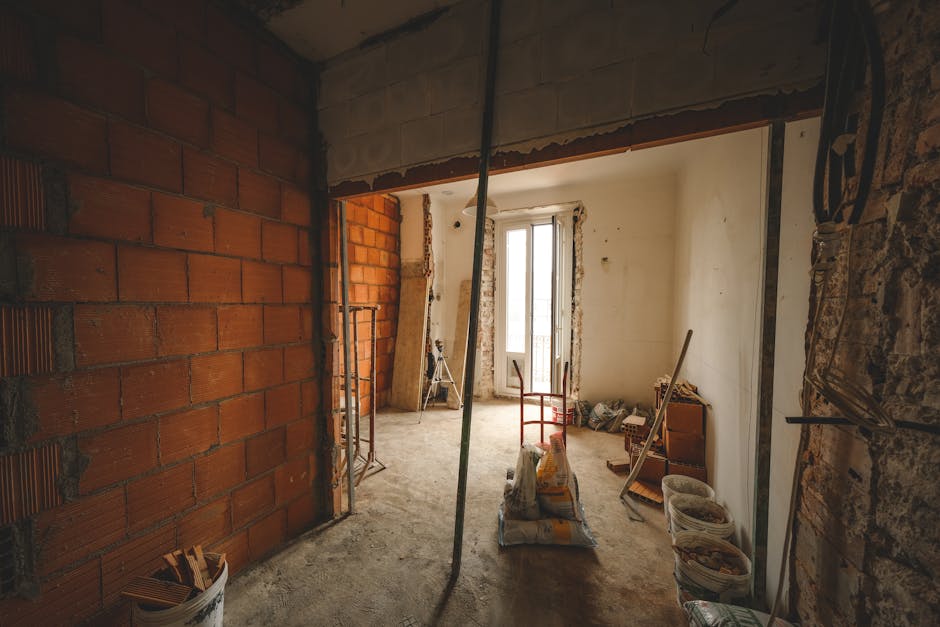
Options, Methods, or Comparison Table
There is more than one way to clear renovation waste. The right choice depends on access, volume, timing, and how much disruption you can tolerate.
| Method | Best for | Advantages | Limitations |
|---|---|---|---|
| Manual self-clearance | Very small jobs | Low direct cost, full control | Time-consuming, physically demanding, harder for bulky waste |
| Skip hire | Large ongoing renovation waste | Useful if debris builds up over several days | Needs space, permits may be required in some cases, not ideal for tight access |
| Man-and-van style builders' clearance | Mixed or heavy waste with awkward access | Fast, flexible, often best for stairs and narrow frontage | May be less practical for very long projects with continuous waste |
| Scheduled waste collection | Moderate clearance needs | Good balance of speed and convenience | Needs good timing and clear communication |
If the renovation has produced a lot of heavy debris but not enough space for a skip, a collection-based approach is often the more sensible route. If the job is spread over many days and waste is generated continuously, a skip can make sense. No single method wins every time.
For readers comparing bulky-item options after a renovation, the article on dealing with bulky furniture in Pimlico is helpful because it shows how larger objects are often better handled as part of a wider clearance plan.
Case Study or Real-World Example
Picture a small flat renovation near Moreton St. The work included a new kitchen, a bathroom refresh, and some internal redecoration. By the end of the project, the property had a mixed pile of old cabinetry, broken tile boxes, plasterboard offcuts, timber, and a few bags of dust-heavy rubble. Nothing dramatic. Just enough to make the hallway feel cramped and the kitchen unusable.
The owner's first instinct was to leave it until the decorators had finished every last touch-up. Sensible in theory, but in practice the remaining waste kept getting in the way. The skirting couldn't be fully checked. The cleaner had to work around bags. And the final snag list was harder to inspect because the space still felt cluttered.
What solved it was a staged clearance: the awkward heavy material came out first, then the mixed lighter waste, then a final tidy sweep. The result was immediate. The flat felt bigger, the new surfaces showed properly, and the final clean actually made a difference. You could hear the room, if that makes sense. Less echo from clutter, more of that just-finished quiet.
That is the real value of timely builders' waste removal. It is not just disposal. It is the point where the renovation starts to feel like a home again.
Practical Checklist
Use this checklist before you book or start moving waste yourself.
- Identify all renovation waste types
- Separate rubble, timber, metals, and general debris where possible
- Measure access routes, stairs, lifts, and parking space
- Check whether any items are sharp, heavy, or awkward to handle
- Decide whether a one-off clearance or staged removal makes more sense
- Make sure the waste area is not blocking exits or communal areas
- Confirm the property is ready for final cleaning after clearance
- Review safety, insurance, and service terms before booking
- Keep reusable items apart from general builders' waste
- Allow a little flexibility in the schedule, because renovation jobs rarely run like clockwork
If you want a broader overview of related services, the services overview is a useful starting point before deciding how to handle the post-renovation cleanup.
Conclusion
Builders' waste removal after renovations on Moreton St is one of those jobs that seems simple until you are standing in a hallway full of rubble and splintered offcuts. Then it becomes very clear very fast: the way the waste is cleared affects safety, timing, presentation, and how quickly the project can truly finish.
The best results usually come from a calm, practical approach: sort what you can, think about access early, choose the right method for the volume, and do not leave the waste sitting around for days if it can be cleared sooner. That is the difference between a project that feels neatly wrapped up and one that drags on a bit too long.
Get a free quote today and see how much you can save.
And if you are comparing options or want to ask a few questions before deciding, it is always worth speaking to a local team that understands the realities of London access, tight stairwells, and post-renovation mess. A smooth finish is a lovely thing, honestly. Worth getting right.


 Tipper Van - Rubbish Removal and Rubbish Collection Prices in Pimlico, SW1
 Luton Van - Rubbish Removal and Rubbish Collection Prices in Pimlico, SW1